Sciatica PRO+ Official Website › Nerve Health Supplement Guide
Nerve Health Supplement GuideA Nerve Health Supplement Guide
Most of the evidence behind nerve supplements comes from one place: trials in people with diabetic nerve damage. Alpha lipoic acid at 600 mg a day has the largest body of it. Benfotiamine has a strong rationale and a thin record. The B vitamins matter enormously to anyone short of them and very little to anyone who is not. Nothing in the category relieves a compressed nerve.
A category guide, not a product page. Every dose below is the dose a published trial administered.
Three different things get called nerve problems
Mechanical, metabolic and nutritional. The aisle treats them as one thing.
Sorting them out saves confusion later, because a supplement aisle treats them as one subject and they are not.
| Kind | What is happening | What nutrition can do about it |
|---|---|---|
| Mechanical | Something is physically pressing on a nerve: a lumbar disc, spinal narrowing, a trapped nerve at the wrist. Sciatica is the common example. | Nothing directly. Pressure is relieved by time, movement, an injection or surgery, and the clinical reviews call the diagnosis one made by examination. |
| Metabolic | Fibres damaged over years by high blood glucose, alcohol, chemotherapy or kidney disease. Diabetic polyneuropathy is the most studied. | Where almost the whole supplement literature sits, with modest effect sizes. |
| Nutritional | A genuine deficiency damaging nerves directly. Vitamin B12 is the classic; vitamin B6 does it both by shortage and by excess. | Correcting the deficiency is the treatment, and it works. The strongest link between nutrition and nerves there is. |
A supplement aisle sells to all three at once. Only the lower two rows have research behind them.
The consequence for anyone standing in front of a shelf: if your problem is mechanical, the ingredients below are addressed to a different question.
It also explains a pattern that looks strange at first. Almost every trial quoted on a nerve label was run in people with diabetes, because that is the population large enough to study. Whether the findings transfer to somebody without diabetes is an open question, and an honest label does not pretend otherwise.
Alpha lipoic acid, the best-evidenced ingredient in the category
One ingredient, three large trials, and a dose everyone in the field agrees on.
Alpha lipoic acid is a compound the body makes in small amounts and uses in mitochondrial energy production. It is also an antioxidant working in both water and fat, which is where the research interest began.
The oral trial programme is coherent for once. ALADIN III ran for seven months, SYDNEY 2 compared 600, 1,200 and 1,800 mg a day over five weeks, and NATHAN 1 followed people for four years. The dose that survived is 600 mg once daily: SYDNEY 2 found the higher arms brought more nausea without more benefit, which is why 600 mg is the number on serious labels.
What it achieved is worth stating precisely. A 2023 meta-analysis found improvement in symptom scores, and a 2026 critical review notes that no study has shown structural nerve regeneration.
- 600 mg a day is the researched amount, and no trial has tested half of it.
- Once daily on an empty stomach is how the trials gave it, and nausea is the effect that limits the dose.
- It can lower blood glucose, which matters alongside diabetes medication.
- Case reports link it to insulin autoimmune syndrome in people without diabetes. Rare, and documented.
Benfotiamine, a strong rationale and a thin record
A better-absorbed B1, a mechanism that makes sense, and two small trials.
Benfotiamine is a fat-soluble derivative of thiamine, vitamin B1, and it exists for absorption: ordinary thiamine is water-soluble and its uptake saturates, while benfotiamine reaches higher blood levels from the same milligram figure.
The biochemical argument is attractive. High glucose pushes sugar metabolism down several damaging side routes, and thiamine-dependent enzymes are the ones that divert traffic away from them. On paper, a mechanism aimed at metabolic nerve damage.
The trials thin out. BENDIP randomised people to 300 or 600 mg a day for six weeks and found the clearer result at the higher dose. The earlier BEDIP pilot used 400 mg a day for three weeks. Both are small and short by the standards of the alpha lipoic acid programme, and the 2026 critical review treats the two ingredients very differently for that reason.
The sensible reading: a plausible mechanism, 300 to 600 mg a day in the only trials anyone cites, and a weaker evidence base than the reputation implies.
Acetyl L-carnitine, and why the gram matters
Grams, not milligrams, and an effect that only showed up in the larger arm.
Acetyl L-carnitine moves fatty acids into mitochondria and supplies acetyl groups for other reactions. The nerve interest came from animal work on fibre regeneration, a stronger claim than anything else in this guide makes.
The human trials are why the dose matters. An analysis of two 52-week randomised trials gave 1,500 or 3,000 mg a day, and the pain benefit appeared only in the 3,000 mg group. A later meta-analysis of neuropathic pain trials pooled the field and found an effect, while the Cochrane review judged the evidence uncertain even at full dose.
One rule falls out of those three. This is a gram-scale ingredient, so a label carrying tens of milligrams of it is carrying a name rather than a dose, and nothing can honestly be said about that amount in either direction.
The B vitamins, and who is genuinely at risk of being short
Real, important, and useful to a narrower group than the aisle suggests.
The clearest link to nerves in the whole category, and the most oversold. A deficiency of vitamin B12 damages nerves, and the clinical literature is unambiguous that correcting it helps. What does not follow is that more B12 helps somebody whose level is normal. The Cochrane review of B vitamins for nerve symptoms found the trial evidence too limited to support that.
| Who is at risk of low B12 | Why |
|---|---|
| Adults over about 50 | Stomach acid falls with age, and B12 has to be released from food protein before it can be absorbed. |
| Vegans, and long-term vegetarians | B12 occurs in animal foods, so a fortified food or a supplement is the mainstream nutritional answer. |
| Anyone on long-term metformin | A 2026 scoping review found the association well established and clinician awareness of it patchy. |
| Long-term acid-suppressing medicines | Same mechanism as age: less acid, less B12 released from food. |
| Gastric surgery, coeliac disease, Crohn's disease | Absorption happens in one specific part of the gut, and these change it. |
| Pernicious anaemia | An autoimmune loss of the protein B12 needs to be absorbed at all, treated with injections rather than a capsule. |
Being on this list is a reason for a blood test rather than a guess. A diagnosed deficiency is treated far above anything on a supplement panel.
Three more points belong here, and two of them are about risk.
- Folic acid can hide a B12 deficiency. It corrects the anaemia while nerve damage continues, which is the argument for testing B12 rather than taking more of everything. Expert committees set 1,000 mcg a day as the folic acid upper intake.
- Vitamin B6 is neurotoxic in excess. It causes nerve damage by overdose as well as by shortage, documented since 1983. Ordinary label amounts are nowhere near that range; the risk is stacking several products that each contain it. A 2023 systematic review found no trials of B6 alone for nerve symptoms.
- A daily-requirement amount does what a daily requirement does. It covers a shortfall if you have one, and somebody with normal levels should expect nothing from it.
Vitamin D, and an association that is not a treatment
A real association, a reverse explanation, and four small trials.
Low vitamin D turns up more often in people with nerve damage. A meta-analysis of the association studies found the pattern consistently, and it is the reason vitamin D appears on so many nerve labels.
An association points two ways. People with painful nerve symptoms move less and go outside less, which lowers vitamin D on its own, so the shortfall may be a consequence rather than a cause.
The trials that would settle it are thin. A 2025 meta-analysis of supplementation trials for painful neuropathy found four usable studies totalling 320 people, and concluded the evidence was not strong enough to recommend routine use. A sensible daily amount is sensible nutrition rather than a treatment.
The three botanicals, and the powder problem
The same lesson three times: read the form, not only the number.
Ashwagandha, turmeric and broccoli turn up on nerve labels constantly, and one issue runs through all three: what the research used is not what a label usually contains.
Ashwagandha
The trials that found effects used 300 to 600 mg a day of standardised extract, and measured stress and sleep rather than nerve function. Root powder is not the same material: an extract concentrates the withanolides, and the concentration differs between plant parts. Two cautions hold whatever the amount, because 600 mg of root extract shifted thyroid hormones in a randomised trial and a case series records liver injury.
Turmeric
The compound of interest is curcumin, and the research uses standardised extracts at 500 to 2,000 mg a day, usually with piperine because curcumin absorbs so poorly. An analysis of 28 commercial spice products put plain turmeric powder at about 3.14 per cent curcumin, so 25 mg of it carries under a milligram of the compound. The one trial in diabetic nerve symptoms used a reformulated nano-curcumin, not a spice.
Broccoli
The compound of interest is sulforaphane, and the nerve evidence is a rat study. Human work used concentrated sprout extract and measured blood glucose: the largest recent trial missed its primary endpoint. A powder has a further problem, because sulforaphane is made by an enzyme that heat destroys.
One rule comes out of all three, and it is the most useful thing in this guide. A milligram of powder and a milligram of standardised extract are not the same unit. An extract states a ratio or a percentage, so the active compound can be calculated. A powder states a plant, and the content depends on the crop, the batch and the processing, which is why a comparison against a trial dose has to be made in matching units before it means anything.
The dose table, small enough to keep on a phone
Ten ingredients and the amount each one was studied at.
| Ingredient | What the trials used | What they measured | The honest summary |
|---|---|---|---|
| Alpha lipoic acid | 600 mg/day, oral | Symptom scores in diabetic polyneuropathy, over weeks to months | The largest and most consistent evidence base in the category |
| Benfotiamine | 300–600 mg/day | Symptom scores over three to six weeks | Strong mechanism, two small trials |
| Acetyl L-carnitine | 1,500–3,000 mg/day | Pain and nerve fibre measures over 52 weeks | Benefit showed only in the 3,000 mg arm |
| Vitamin B12 | Requirement amounts, or treatment doses if deficient | Correction of a deficiency | The clearest nutritional link to nerves there is |
| Folate | Under 1,000 mcg/day of folic acid | Nothing specific to nerves | Can mask a B12 deficiency |
| Vitamin B6 | Requirement amounts | No trials of B6 alone | Harmful by excess as well as by shortage |
| Vitamin D3 | Few and small trials | Pain scores in painful neuropathy | Association solid, trial evidence thin |
| Ashwagandha | 300–600 mg/day of standardised EXTRACT | Stress, anxiety and sleep | No nerve trials; powder is a different unit |
| Turmeric | 500–2,000 mg/day of standardised curcumin | One nerve trial, using nano-curcumin | Powder is roughly 3% curcumin |
| Broccoli | Concentrated sprout extract | Blood glucose, not nerve function | Nerve evidence is a rat study |
Every figure in the second column is a dose a published trial administered, mostly in people with diabetic nerve damage. None of it is a promise about any product.
Hold any bottle against that second column and most of the category answers itself. Where a label lands inside the researched range, the ingredient is at least in the region its evidence came from. An order of magnitude below, and the row is a name on a panel. The checklist guide turns this into seven checks you can run in a minute.
Why supports nerve health is the strongest claim anyone may make
What the law allows a supplement to say, and why the gap matters.
Dietary supplements in the United States may carry structure and function claims: a claim of that kind says what a nutrient is understood to do in the body, may not name a disease, and must carry the federal statement that it has not been evaluated by the Food and Drug Administration.
That is the whole permitted range, and it is narrow by design. Supports nerve health sits inside it. Treats neuropathy, relieves sciatica and reduces nerve pain all sit outside it, because pain relief is a drug claim whoever makes it.
The rule is not a technicality that clever wording gets around. A product that genuinely relieved nerve pain would be a drug and would need trials on the finished formulation. When a sales page promises more than the bottle does, the bottle is the document written under legal constraint.
- Progressive or severe weakness in the leg
- Numbness around the groin, buttocks or inner thighs (a saddle pattern)
- Any new loss of bladder or bowel control, or of sexual function
Those can indicate cauda equina syndrome, which is a surgical emergency. MedlinePlus is a plain-English starting point on leg and back pain written by nobody with anything to sell.
How to read a trial when a label quotes one
Four questions, in the order worth asking them.
Four questions separate a citation that supports a sentence from one that decorates it, and none needs a statistics background.
What dose was used, and does the label match it?
The most useful question. A trial at 600 mg says nothing about a capsule holding 150 mg, because nobody measured 150 mg.
Who was in the study?
Mostly people with diabetic nerve damage: a specific population with a specific mechanism, and a finding there does not transfer automatically to somebody with a compressed nerve root.
What was measured, and over how long?
Symptom questionnaires, nerve conduction measures and pain scores are different outcomes, and six weeks and four years are different questions.
Was it the same material?
Two products can print the same plant and the same milligram figure and deliver amounts of the active compound that differ tenfold.
Run those four and most marketing citations collapse into something smaller and more honest, which is usually still worth knowing.
Sources cited in this nerve health guide
Every dose figure above comes from one of these. Each link opens the record so you can read the method section yourself.
- Jensen RK, Kongsted A, et al. Diagnosis and treatment of sciatica. BMJ. 2019;367:l6273. PMID 31744805. https://pubmed.ncbi.nlm.nih.gov/31744805/
- MedlinePlus. Sciatica. U.S. National Library of Medicine. https://medlineplus.gov/sciatica.html
- Long B, Koyfman A, et al. Evaluation and management of cauda equina syndrome in the emergency department. Am J Emerg Med. 2020;38(1):143-148. PMID 31471075. https://pubmed.ncbi.nlm.nih.gov/31471075/
- Ziegler D, Ametov A, et al. Oral treatment with alpha-lipoic acid improves symptomatic diabetic polyneuropathy: the SYDNEY 2 trial. Diabetes Care. 2006;29(11):2365-70. PMID 17065669. https://pubmed.ncbi.nlm.nih.gov/17065669/
- Ziegler D, Hanefeld M, et al. Treatment of symptomatic diabetic polyneuropathy with the antioxidant alpha-lipoic acid: a 7-month multicenter randomized controlled trial (ALADIN III Study). Diabetes Care. 1999;22(8):1296-301. PMID 10480774. https://pubmed.ncbi.nlm.nih.gov/10480774/
- Ziegler D, Low PA, et al. Predictors of improvement and progression of diabetic polyneuropathy following treatment with alpha-lipoic acid for 4 years in the NATHAN 1 trial. J Diabetes Complications. 2016;30(2):350-6. PMID 26651260. https://pubmed.ncbi.nlm.nih.gov/26651260/
- Hsieh RY, Huang IC, et al. Effects of Oral Alpha-Lipoic Acid Treatment on Diabetic Polyneuropathy: A Meta-Analysis and Systematic Review. Nutrients. 2023;15(16):3634. PMID 37630823. https://pubmed.ncbi.nlm.nih.gov/37630823/
- Salman M, Ashraf H, et al. Hypoglycaemia in a non-diabetic patient due to alpha-lipoic acid-induced insulin autoimmune syndrome with HLA-DRB1 04:03:01G. BMJ Case Rep. 2026;19(7). PMID 42493219. https://pubmed.ncbi.nlm.nih.gov/42493219/
- Stracke H, Gaus W, et al. Benfotiamine in diabetic polyneuropathy (BENDIP): results of a randomised, double blind, placebo-controlled clinical study. Exp Clin Endocrinol Diabetes. 2008;116(10):600-5. PMID 18473286. https://pubmed.ncbi.nlm.nih.gov/18473286/
- Haupt E, Ledermann H, et al. Benfotiamine in the treatment of diabetic polyneuropathy--a three-week randomized, controlled pilot study (BEDIP study). Int J Clin Pharmacol Ther. 2005;43(2):71-7. PMID 15726875. https://pubmed.ncbi.nlm.nih.gov/15726875/
- Ciubotaru A, Grosu C, et al. Alpha-Lipoic Acid and Benfotiamine in Diabetic Peripheral Neuropathy: A Critical Review of Mechanistic Rationale and Clinical Evidence Within a Nutritional Therapeutic Framework. Nutrients. 2026;18(10). PMID 42196997. https://pubmed.ncbi.nlm.nih.gov/42196997/
- Sima AA, Calvani M, et al. Acetyl-L-carnitine improves pain, nerve regeneration, and vibratory perception in patients with chronic diabetic neuropathy: an analysis of two randomized placebo-controlled trials. Diabetes Care. 2005;28(1):89-94. PMID 15616239. https://pubmed.ncbi.nlm.nih.gov/15616239/
- Li S, Li Q, et al. Acetyl-L-carnitine in the treatment of peripheral neuropathic pain: a systematic review and meta-analysis of randomized controlled trials. PLoS One. 2015;10(3):e0119479. PMID 25751285. https://pubmed.ncbi.nlm.nih.gov/25751285/
- Rolim LC, da Silva EM, et al. Acetyl-L-carnitine for the treatment of diabetic peripheral neuropathy. Cochrane Database Syst Rev. 2019;6(6):CD011265. PMID 31201734. https://pubmed.ncbi.nlm.nih.gov/31201734/
- Stabler SP. Clinical practice. Vitamin B12 deficiency. N Engl J Med. 2013;368(2):149-60. PMID 23301732. https://pubmed.ncbi.nlm.nih.gov/23301732/
- Parsonage I, Wainwright D, et al. Vitamin B12 deficiency in long-term metformin use and clinician awareness: a scoping review. BMJ Open. 2026;16(4):e113829. PMID 42009383. https://pubmed.ncbi.nlm.nih.gov/42009383/
- Ang CD, Alviar MJ, et al. Vitamin B for treating peripheral neuropathy. Cochrane Database Syst Rev. 2008;2008(3):CD004573. PMID 18646107. https://pubmed.ncbi.nlm.nih.gov/18646107/
- Miller JW, Smith A, et al. Excess Folic Acid and Vitamin B12 Deficiency: Clinical Implications? Food Nutr Bull. 2024;45(1_suppl):S67-S72. PMID 38987872. https://pubmed.ncbi.nlm.nih.gov/38987872/
- Reynolds EH. What is the safe upper intake level of folic acid for the nervous system? Implications for folic acid fortification policies. Eur J Clin Nutr. 2016;70(5):537-40. PMID 26862004. https://pubmed.ncbi.nlm.nih.gov/26862004/
- Muhamad R, Akrivaki A, et al. The Role of Vitamin B6 in Peripheral Neuropathy: A Systematic Review. Nutrients. 2023;15(13):2823. PMID 37447150. https://pubmed.ncbi.nlm.nih.gov/37447150/
- Schaumburg H, Kaplan J, et al. Sensory neuropathy from pyridoxine abuse. A new megavitamin syndrome. N Engl J Med. 1983;309(8):445-8. PMID 6308447. https://pubmed.ncbi.nlm.nih.gov/6308447/
- Yammine K, Abi Kharma J, et al. Is diabetic neuropathy associated with vitamin D status? A meta-analysis. Br J Nutr. 2022;127(7):972-981. PMID 34024290. https://pubmed.ncbi.nlm.nih.gov/34024290/
- Gilbody A, Gilbody J. Vitamin D for Painful Diabetic Neuropathy: A Systematic Review and Meta-Analysis of Randomised Controlled Trials. Endocrinol Diabetes Metab. 2025;8(6):e70118. PMID 41139799. https://pubmed.ncbi.nlm.nih.gov/41139799/
- Akhgarjand C, Asoudeh F, et al. Does Ashwagandha supplementation have a beneficial effect on the management of anxiety and stress? A systematic review and meta-analysis of randomized controlled trials. Phytother Res. 2022;36(11):4115-4124. PMID 36017529. https://pubmed.ncbi.nlm.nih.gov/36017529/
- Chaurasiya ND, Uniyal GC, et al. Analysis of withanolides in root and leaf of Withania somnifera by HPLC with photodiode array and evaporative light scattering detection. Phytochem Anal. 2008;19(2):148-54. PMID 17879227. https://pubmed.ncbi.nlm.nih.gov/17879227/
- Sharma AK, Basu I, et al. Efficacy and Safety of Ashwagandha Root Extract in Subclinical Hypothyroid Patients: A Double-Blind, Randomized Placebo-Controlled Trial. J Altern Complement Med. 2018;24(3):243-248. PMID 28829155. https://pubmed.ncbi.nlm.nih.gov/28829155/
- Bjornsson HK, Bjornsson ES, et al. Ashwagandha-induced liver injury: A case series from Iceland and the US Drug-Induced Liver Injury Network. Liver Int. 2020;40(4):825-829. PMID 31991029. https://pubmed.ncbi.nlm.nih.gov/31991029/
- Tayyem RF, Heath DD, et al. Curcumin content of turmeric and curry powders. Nutr Cancer. 2006;55(2):126-31. PMID 17044766. https://pubmed.ncbi.nlm.nih.gov/17044766/
- Anand P, Kunnumakkara AB, et al. Bioavailability of curcumin: problems and promises. Mol Pharm. 2007;4(6):807-18. PMID 17999464. https://pubmed.ncbi.nlm.nih.gov/17999464/
- Asadi S, Gholami MS, et al. Nano curcumin supplementation reduced the severity of diabetic sensorimotor polyneuropathy in patients with type 2 diabetes mellitus: A randomized double-blind placebo-controlled clinical trial. Complement Ther Med. 2019;43:253-260. PMID 30935539. https://pubmed.ncbi.nlm.nih.gov/30935539/
- Negi G, Kumar A, et al. Nrf2 and NF-kB modulation by sulforaphane counteracts multiple manifestations of diabetic neuropathy in rats and high glucose-induced changes. Curr Neurovasc Res. 2011;8(4):294-304. PMID 22023613. https://pubmed.ncbi.nlm.nih.gov/22023613/
- Dwibedi C, Axelsson AS, et al. Effect of broccoli sprout extract and baseline gut microbiota on fasting blood glucose in prediabetes: a randomized, placebo-controlled trial. Nat Microbiol. 2025;10(3):681-693. PMID 39929977. https://pubmed.ncbi.nlm.nih.gov/39929977/
- Conaway CC, Getahun SM, et al. Disposition of glucosinolates and sulforaphane in humans after ingestion of steamed and fresh broccoli. Nutr Cancer. 2000;38(2):168-78. PMID 11525594. https://pubmed.ncbi.nlm.nih.gov/11525594/
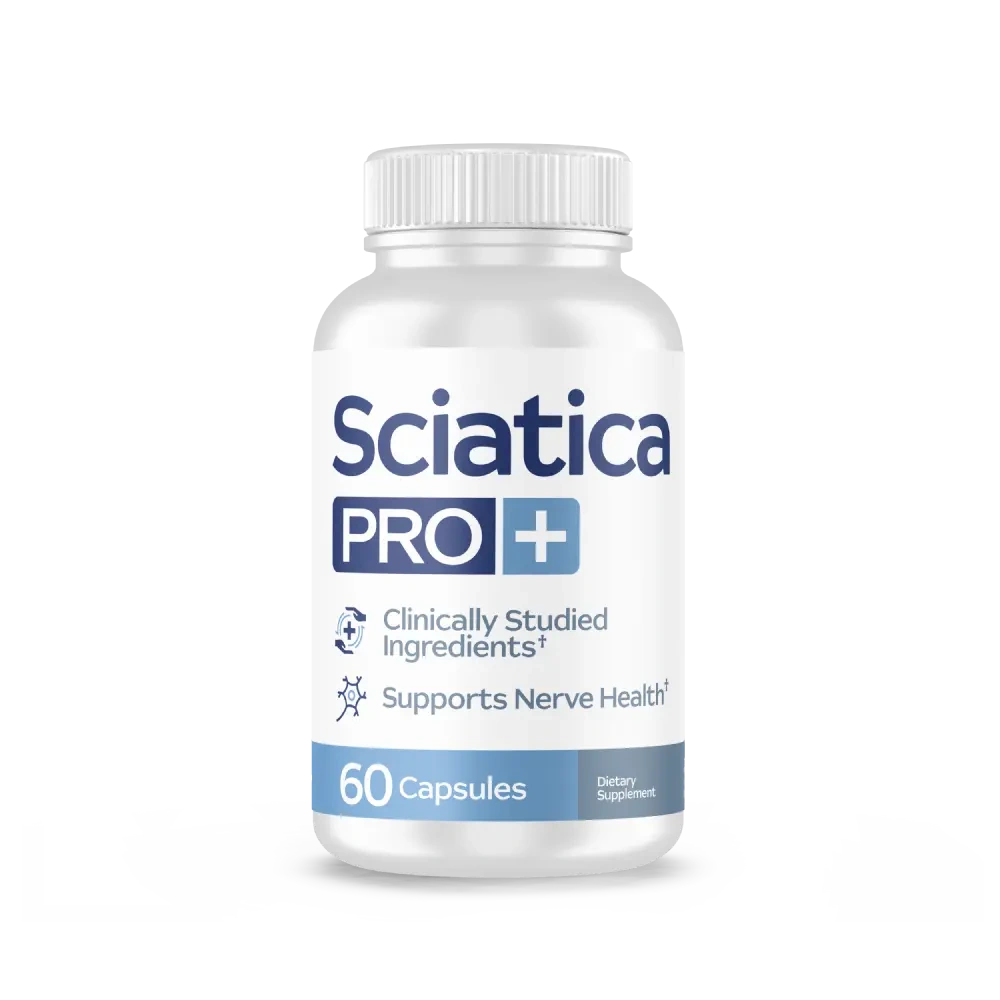
Order Sciatica PRO+ on the official website
Ten ingredients with every amount printed, so each one can be held against the table above. Two capsules a day, 60 to a bottle, and 60 days from purchase to change your mind.
Packs from $158 · six bottles for $294 · 60-day money-back guarantee
Order Sciatica PRO+ On The Official WebsiteTwo capsules a day · 60 per bottle · lot SCI-26/GE-2574